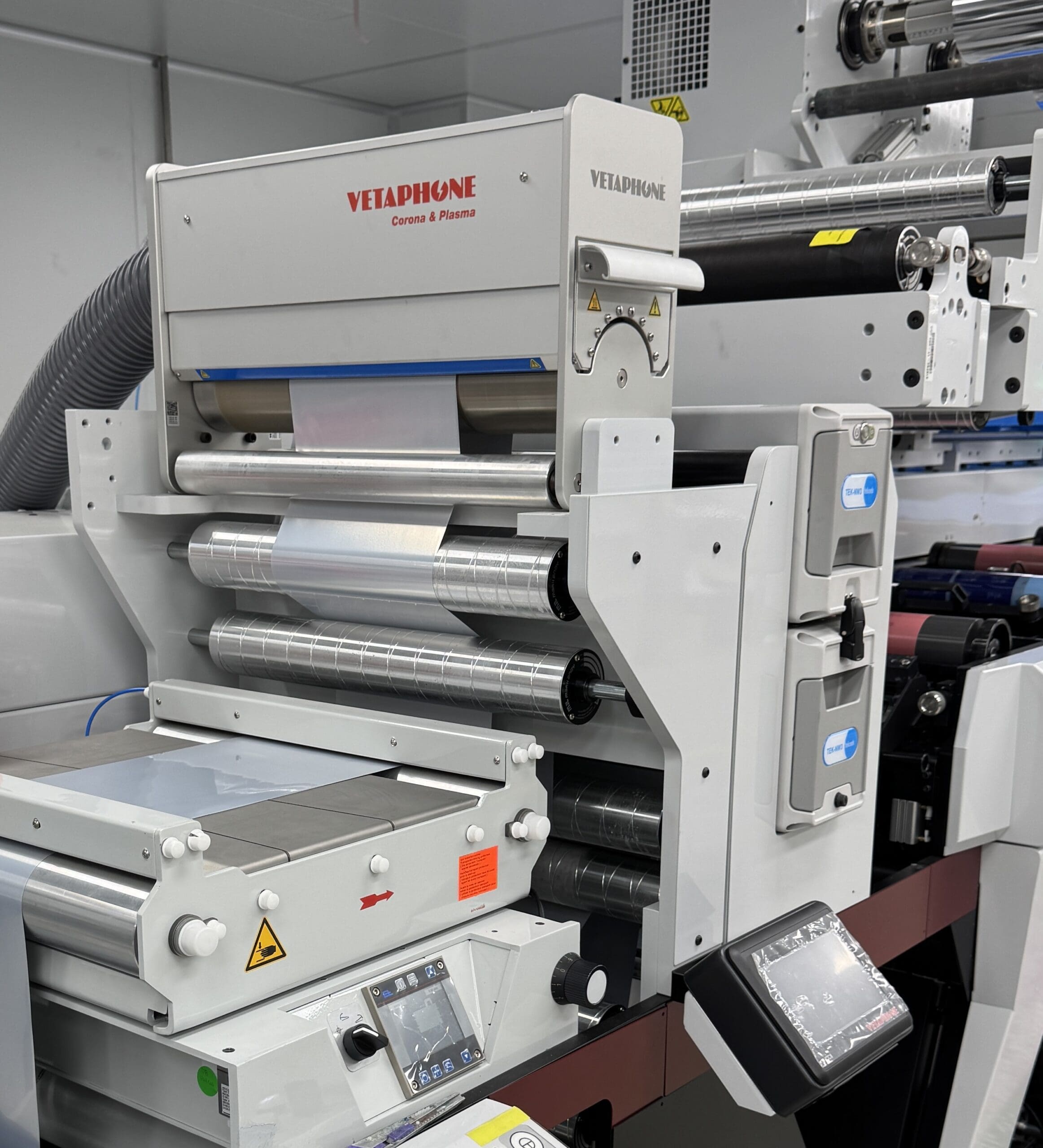
Growing demand for laminated tubes in key industry sectors is highlighting the need for top-quality corona surface treatment to maximise impact and effectiveness. Vetaphone outline the current market trends and explain the benefits of premium technology.
The background
The tube is the ideal form of packaging for semi-solid contents, offering the highest standards of hygiene, barrier properties, and product protection, while also presenting almost unlimited design opportunities, consumer benefits and sustainability. This versatility has made tubes a success story across market sectors from cosmetics and pharmaceuticals to food and household and industrial products.
The first tubes arrived on the market in the 1950s. By the 1960s, tubes laminated with aluminium (ABL) had been developed and by the 1990s plastic (PBL) and ceramic (CBL) substrates had been successfully launched. Laminate tubes are composed of webs that combine at least five different layers, including the barrier layer of aluminium, plastic, or ceramic.
The application
Owing to their beneficial packaging properties, which gives them a wide appeal across various product sectors, laminated tubes require high-quality printing to maximise impact and consumer appeal. Practically all printing methods can be used to produce a persuasive brand presence at point of sale. This visual impact comes from the fact that the tube offers 360-degree design, with its ‘invisible’ weld offering maximum ink coverage.
Innovative printing techniques and special inks provide unlimited creative freedom including the photorealistic reproduction of motifs. The possibility of combining different print processes such as offset, gravure, screen, flexo, and digital, combined with foil embossed or relief embellishment ensures a high-quality finished product.
An all-lacquer finish or spot lacquering, marble or frost effects, pearlescent sheens or matte lacquers, and other forms of surface finishing create additional premium appeal. Soft-touch effects address the haptics and create a strong, emotional bond. Holographic features impart security and add an element of exclusivity.
The need for surface treatment
All the above describe the benefits of and opportunities for laminated tubes. But as with all non-absorbent substrates, the key to high-quality is the preparation work before the production process begins. This is where a premium corona treatment system becomes essential. To understand why, we need to look at what is behind the process.
Tube laminate is no different from other plastic materials in that the surface energy between the liquid ink and the plastic substrate needs to be controlled. If the surface tension of the substrate is too low, the ink beads-up on the surface and doesn’t adhere – this is known as ‘wetting’, and the ink must ‘wet out’ to form a strong bond. Surface energy and the substrate’s adhesive ability is measured in dyne/cm, and the higher the dyne reading, the better the adhesion.
By modifying the surface of the substrate with a high-frequency electrical discharge at close range, the liquid ink will adhere to the tube laminate. The process is known as corona treatment. Corona treatment breaks up the long molecular chains on the surface of the substrate and oxidises it – this allows the ink to bond securely. The process is harmless to the substrate as it effects only a microscopic layer at the surface and changes neither the strength nor appearance of the film. Once you have established the correct dyne level for the substrate, controlled corona power application will provide consistent adhesion and a premium finished product.
There is one key variable in the process. While all synthetic materials are surface treated at the extrusion stage, it is important to know that two pre-treated rolls of the same material from the same supplier may not be consistent throughout their length or width, which is why it is important to surface treat immediately prior to printing.
Other possible issues encountered include the additives that are sometimes used in the manufacturing process. These can migrate throughout the substrate, and not necessarily in an even way, and then affect the chemical composition of the surface being treated. This, along with transport and storage issues, can cause the dyne level to have dropped by the time the substrate is delivered to the printer/converter. Excessive heat, cold, and humidity will adversely affect the substrate during storage. One piece of advice we give to everyone is ‘always dyne test the material before you use it and boost treat it if necessary’.
Vetaphone invented the corona treatment process in the 1950s and has continued to pioneer its development since then. Its unique ‘intelligent’ iCorona technology offers precise control of the electrical discharge that is continuously monitored and adjusted to ensure perfectly consistent surface treatment. This is essential for the multiple processes that follow, including muti-colour printing and a variety of embellishing and finishing techniques.
As the pioneer of corona treatment, the company has an unmatched database of substrate performance and a Test Lab that constantly updates this library of knowledge as new substrates and processes are launched onto the market. If you are printing and converting laminated tubes, or are considering entering this market sector, Vetaphone corona technology is a surefire way of supplying customers with the highest quality product with the maximum shelf-appeal to increase sales.
Market trends
Thanks to modern technology, tubes can convey much more useful information, as in the case of special applications. Digital technology can offer consumers valuable tips on a product’s use or can transmit instructions direct to a smart phone or computer. This coded information can now be applied to the tube in a way that is invisible to the eye, while leaving logos, texts and other images unaffected.
Market research indicates that around 50% of tubes are currently supplied to the cosmetics industry, around 20% each to toothpaste and pharma, with the balance shared between household and industrial products. While these statistics remain steady in Europe, the emerging economies of Asia and Latin America, as well as Africa, where there is rising per-capita income, offer significant and rapid growth potential for laminated tubes.
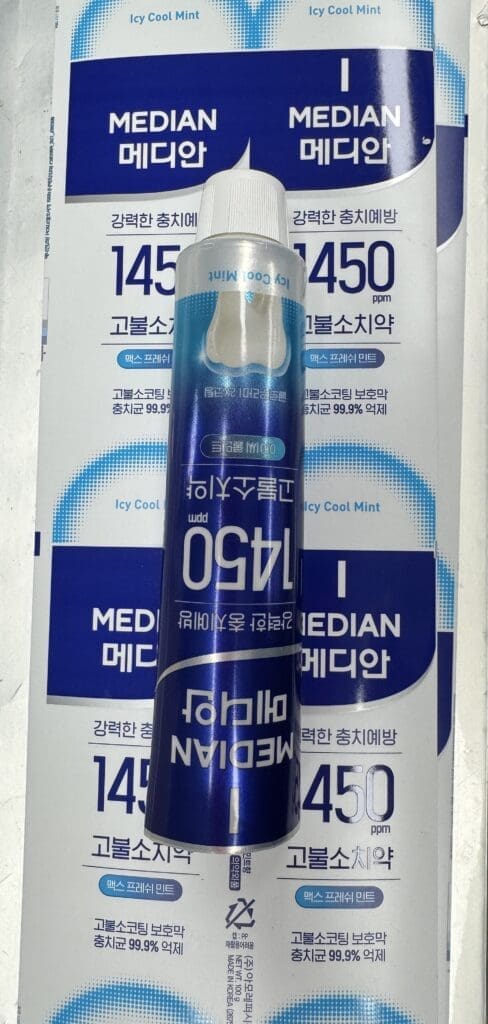
Finally, laminated tubes with their sophisticated tamper-proof solutions and efficient protection against counterfeiting offer increased value especially in sensitive markets like the medical field. To maximise on all these opportunities, good preparation is vital, and that includes the best surface treatment technology to ensure a premium finished product.